They noticed a gap. They decided to do something about it. Meet the community builders shaping the future — one small act at a time.
Every community has a story that begins the same way. Someone looked around and saw something that others had walked past. A group left out. A need unmet. And instead of waiting for someone else to act, they did.
This April, we asked groundups we had supported one question: why did you build what you built? Their answers were different in detail — but remarkably similar in spirit. All three saw something invisible to most. All three chose to make it visible. And all three will tell you that the word ‘community’ means far more than just people in proximity.
These are their voices.
They Saw What Others Walked Past
Community builders are, at their core, people who notice. Not just the big, obvious problems — but the quiet, persistent ones that seep through conversations, through experiences in the daily.
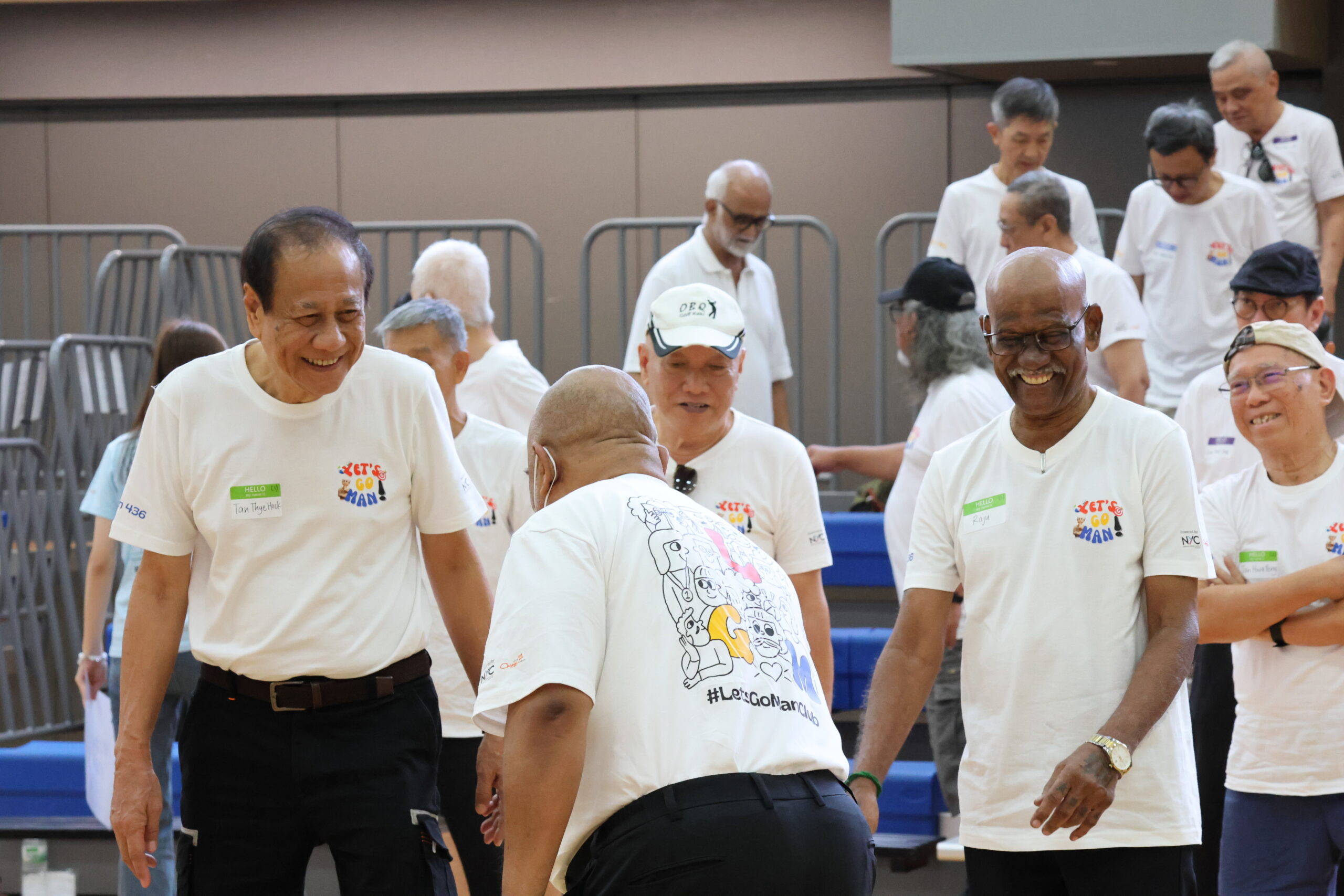
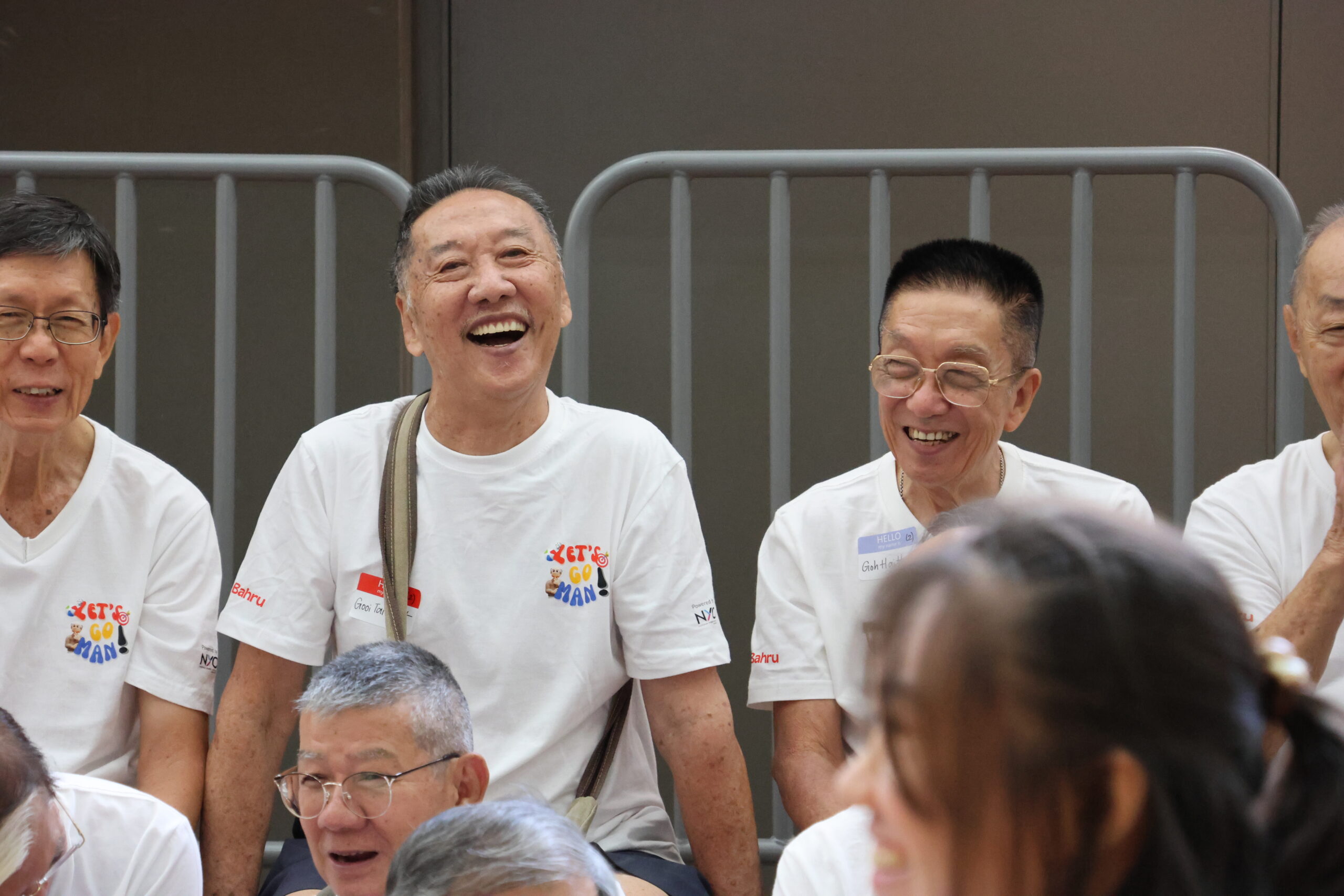
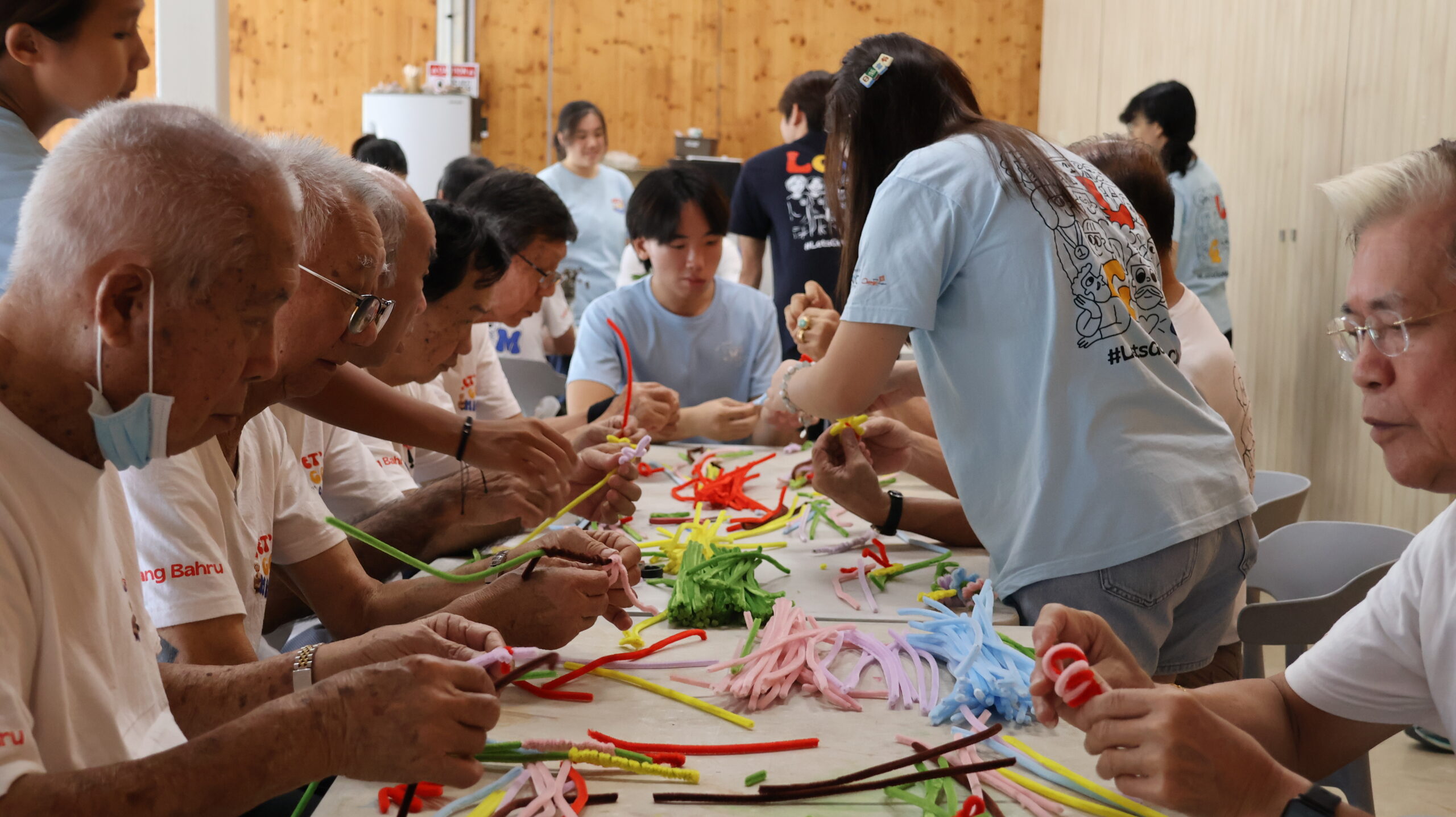
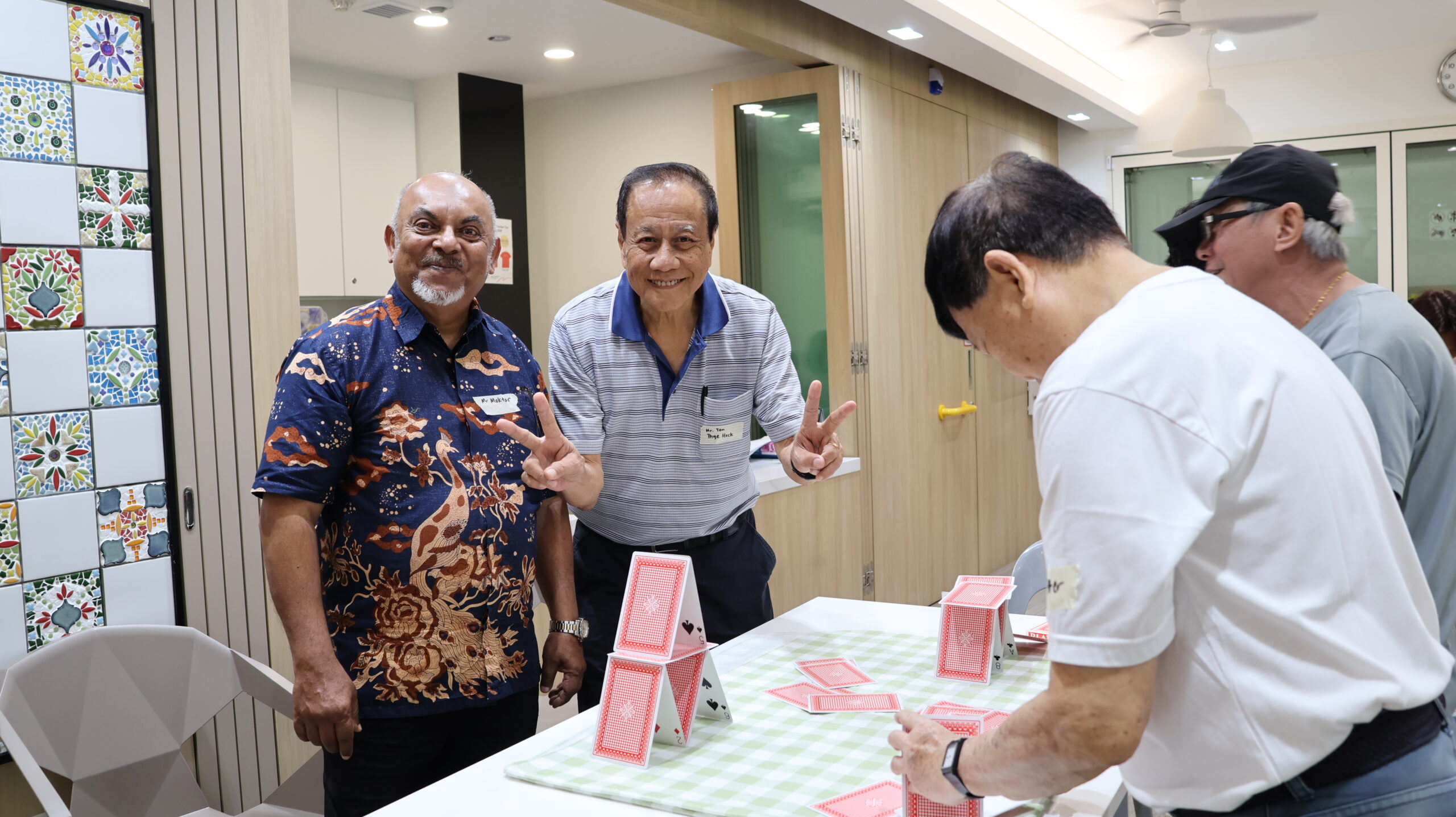
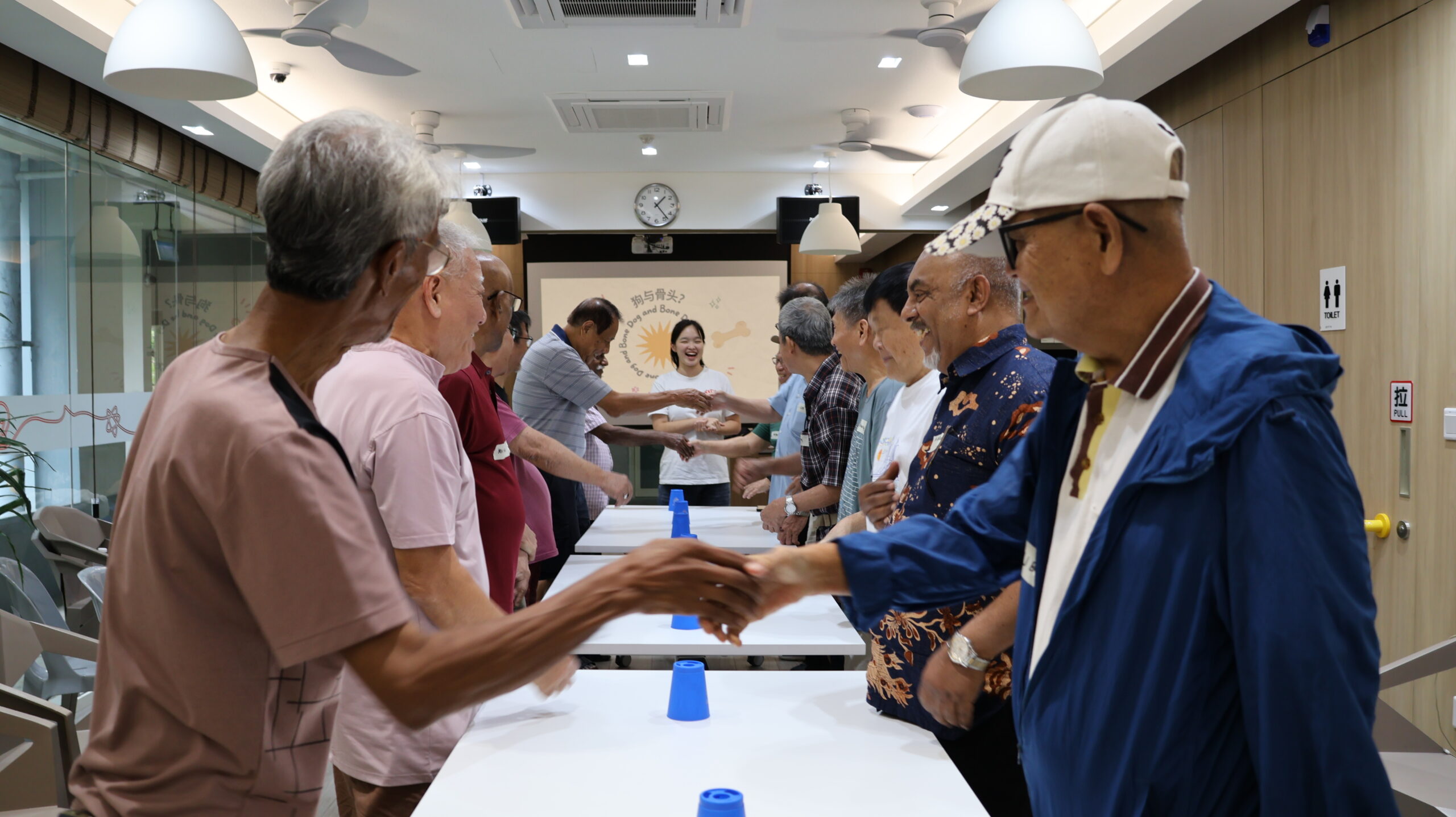
The founders of Let’s Go Man! noticed something specific during their community development fieldwork: neighbourhood activities were full of elderly women, but the older men were on the sidelines. “We began asking why,” they share, “and that question eventually became Let’s Go Man!” What started as an observation became a movement to create spaces where uncles feel empowered to connect, move, and thrive. More than 120 seniors have journeyed with them since.
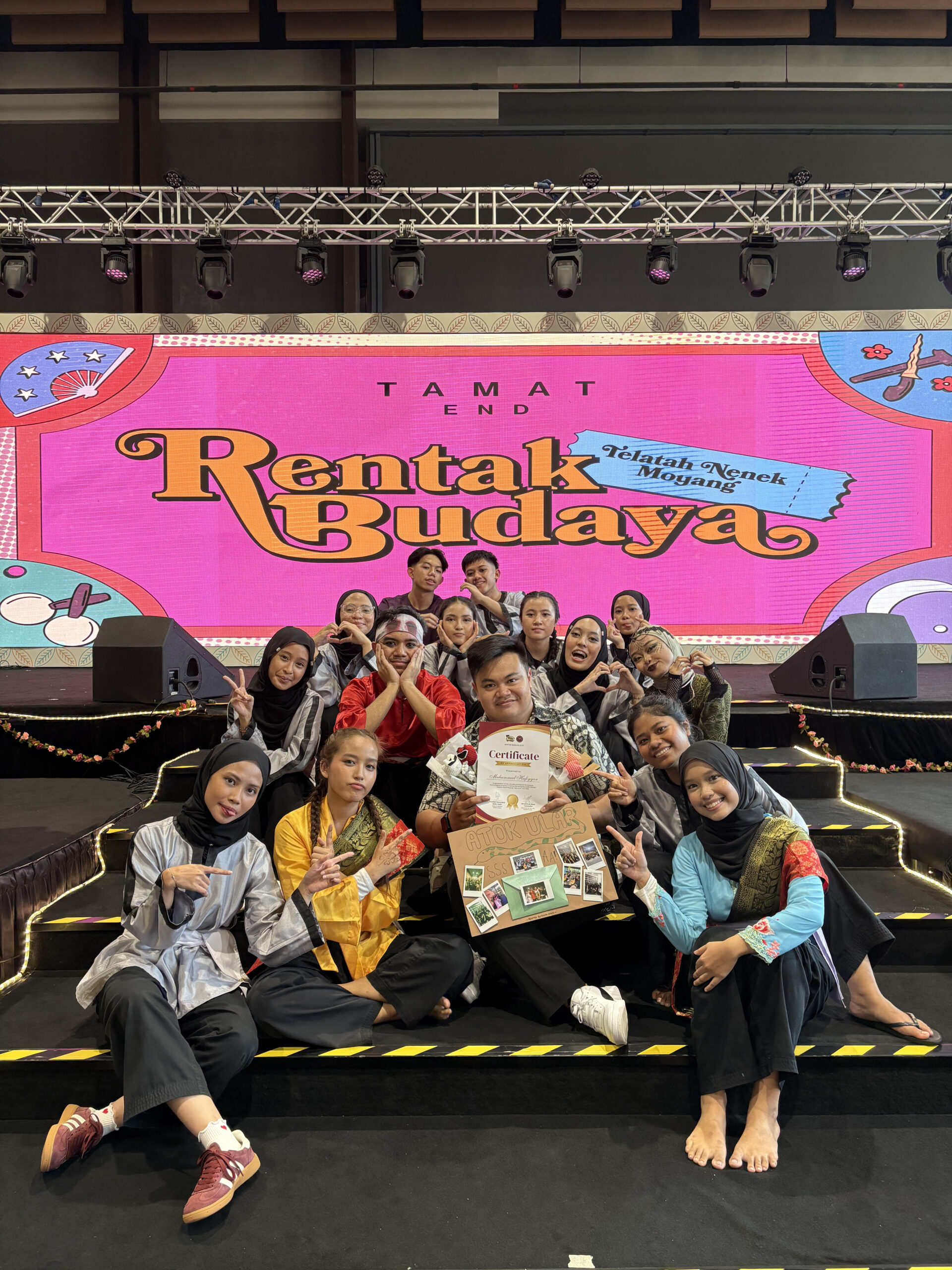
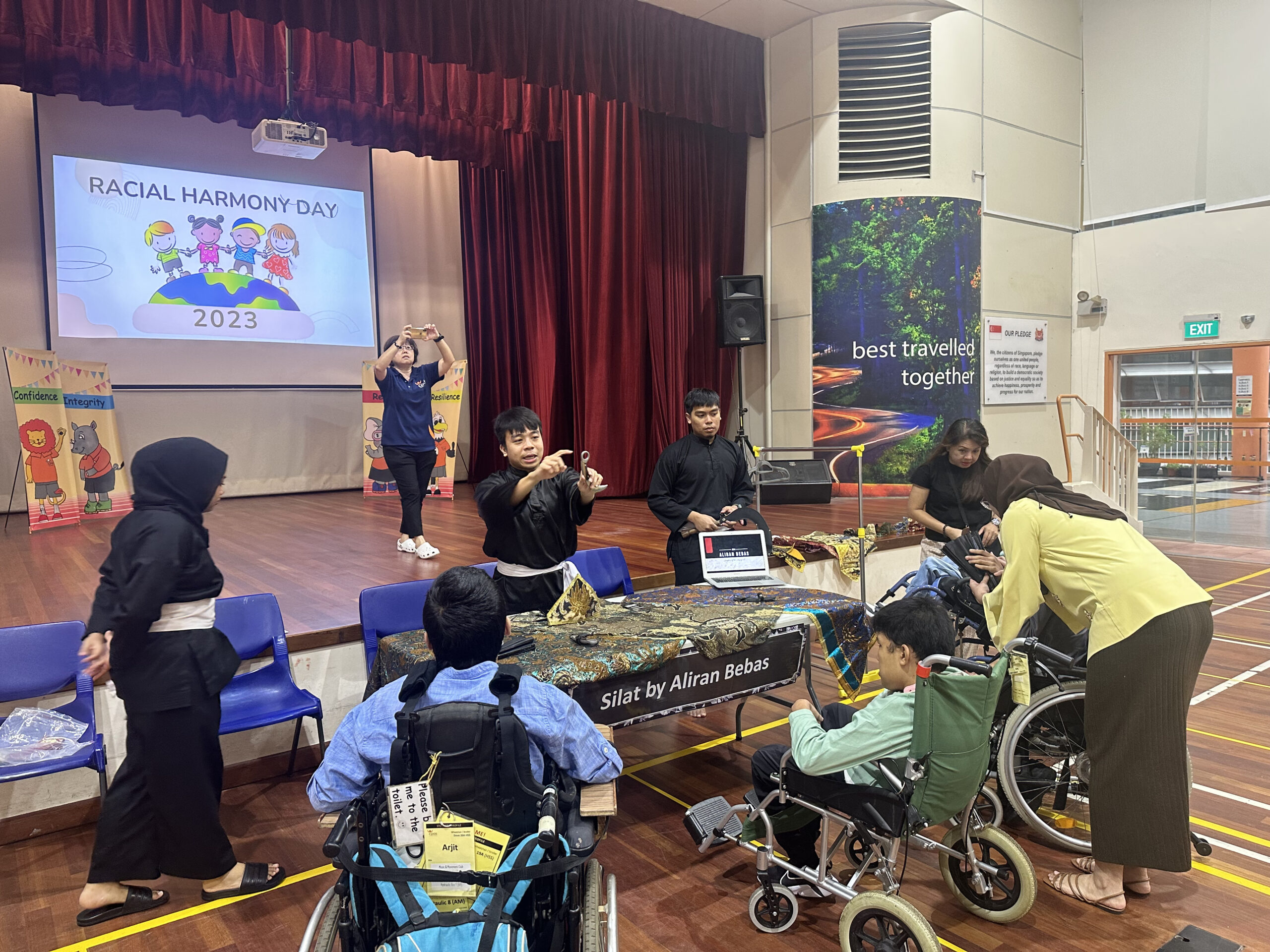
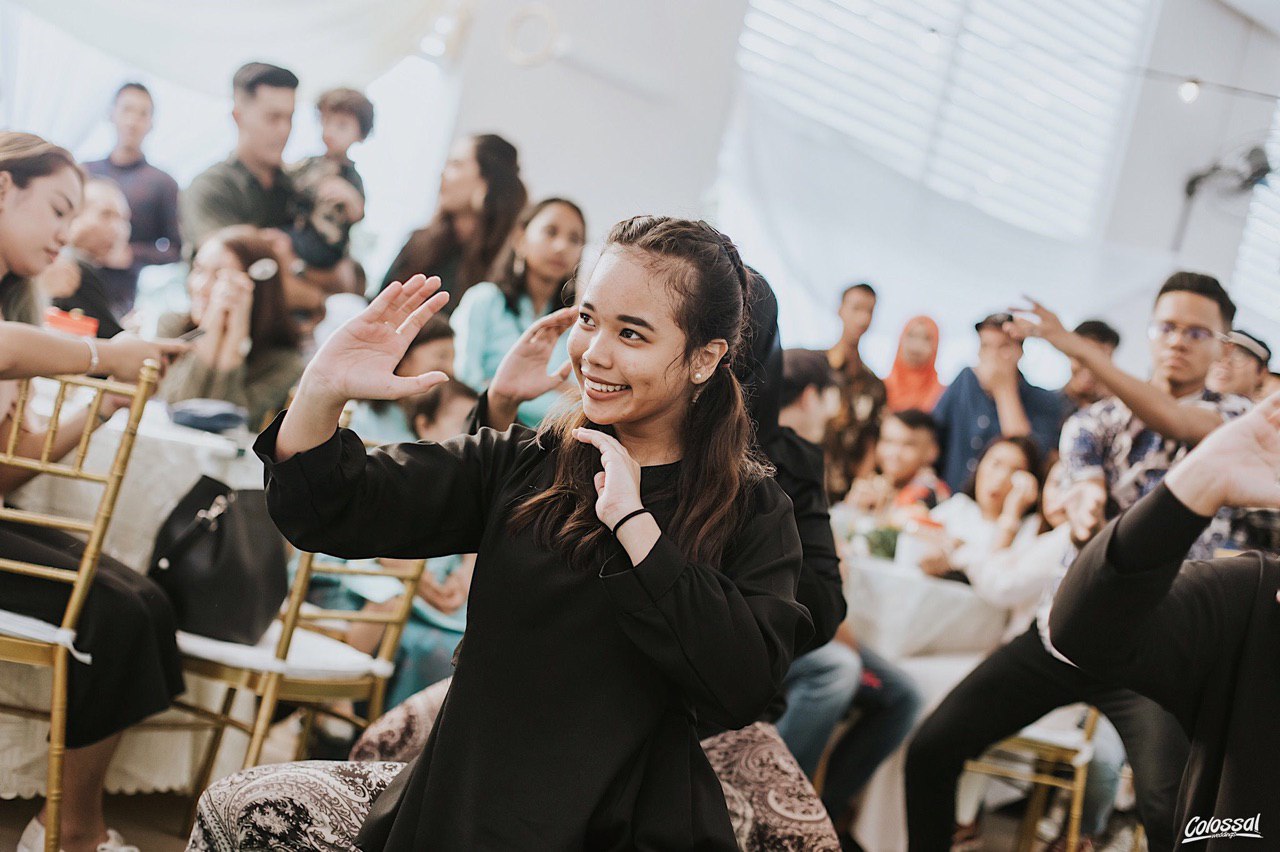
For Aliran Bebas, the gap wasn’t just about an art form going unpreserved — it was about young people lacking spaces that guided and challenged them as whole human beings. Silat was the entry point, but the deeper purpose was about nurturing character during formative years. “Aliran Bebas is not just a performance group,” they explain. “It is a platform for growth, confidence-building, and cultural continuity.”
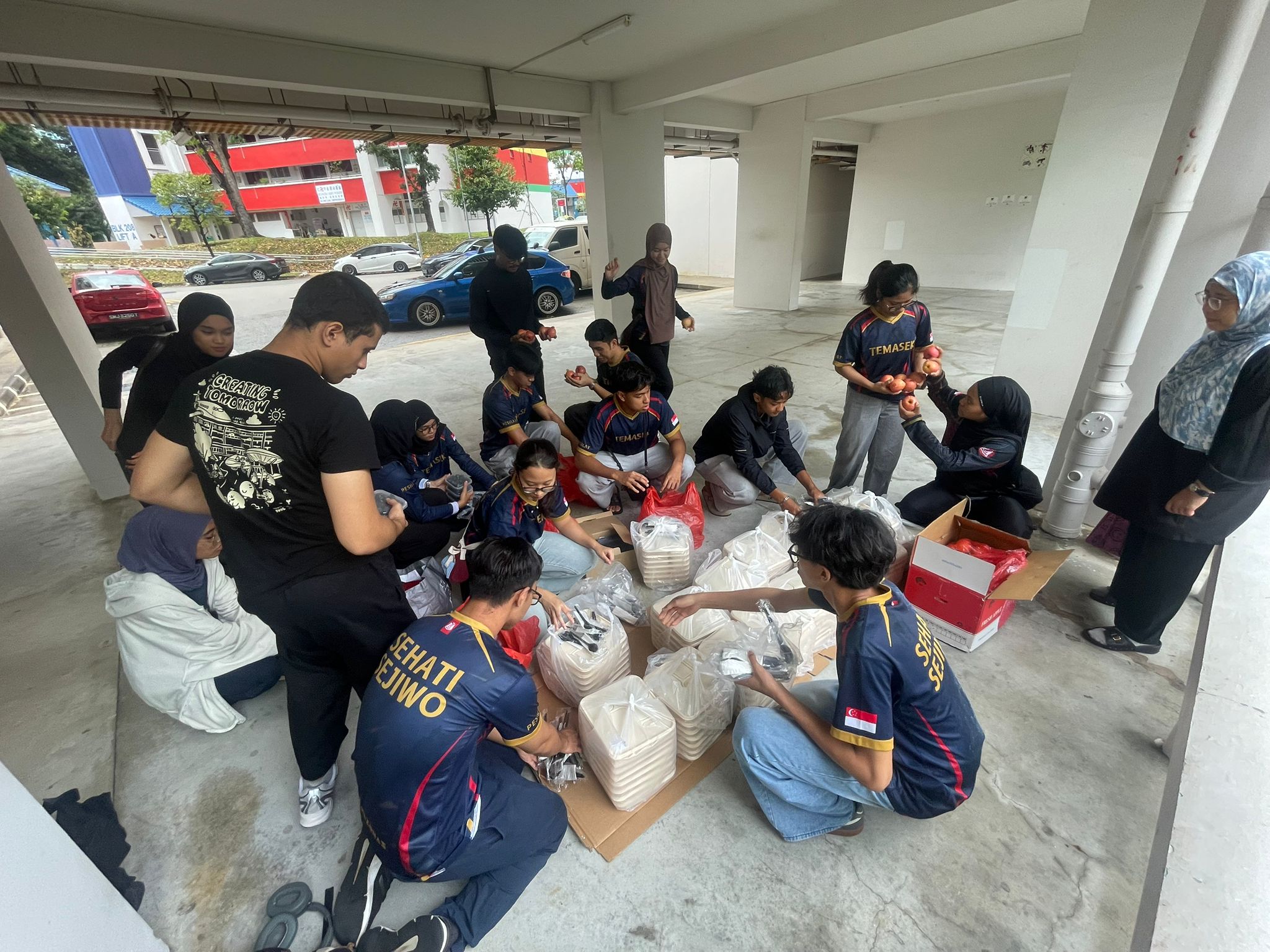
beHuman looked even further towards the edges of society — toward people with disabilities and mental health conditions who are often left out of conversations in employment and belonging. Their vision: 3D2N camps that build job-ready skills in sustainability and peacekeeping, and reduce isolation by creating peer support networks. “We want to help those in disadvantaged backgrounds to shine,” says co-partner Uen Fang, simply and powerfully.
Three very different gaps. Three very similar instincts: look closer, then act.
Community means a space for ALL
Ask each of these founders what a ‘good community’ looks like – and more than a physical space, the definition of community was a feeling brought about by real heart-founded action.
Let’s Go Man! puts it this way: “A good community is one where no one feels invisible.” It is a space that makes room for different personalities, different life stages, and different needs.
Aliran Bebas speaks about community as a place where you are “accepted for who you are, yet encouraged to become a better version of yourself.” Their proof is in their alumni — many of whom have stepped into leadership roles in workplaces and communities, carrying forward the discipline and empathy they built in the training space.
For beHuman, still in its ideation phase but no less clear in its vision, a good community is “a safe space where people can feel supported and cared for when they share openly about their lives.” The simplicity of that definition belies its urgency — for the people beHuman hopes to reach, that kind of safety can be the difference between crisis and connection.
Community Is a Verb
Read through all three responses and a pattern emerges in the language.
Show up. Grow together. Uplift. Mentor. Shape. Build. The verbs reveal: community is a practice and a commitment you return to, again and again, even when it is inconvenient — especially when it is inconvenient.
Let’s Go Man! speaks of building “brotherhood, routine, and a renewed sense of belonging” — all of which require time and repetition. Aliran Bebas measures their impact not in performance sessions delivered, but in the leaders their alumni become years later. beHuman’s model is built on sustained peer interaction, because they know that belonging isn’t created in a single workshop.
The future, these voices remind us, is not always built by institutions. It will be built by people who keep showing up — in heartland community centres, in training halls, in camps and conversations — until the invisible become visible, and the disconnected find their place.
One Hour Can Change Everything
At TheOneHourProject, we believe that every community builder you just read about started with nothing more than a question and an hour of their time. You don’t need a formal programme or a registered NGO to begin. You just need to notice — and then act.
Want to support groundups like Let’s Go Man!, Aliran Bebas, and beHuman? Volunteer your skills — even just one hour — through theonehourproject.com.