When was the last time we asked our mothers this? This article isn’t to guilt-trip anyone (although touché) but rather a deep dive into the unique mental load the most compassionate of people, moms, take on, and how to help.
Because volunteering is at the heart of TheOneHourProject (TOHP), we’re keenly aware of those that give the most without asking and the unseen exhaustion that comes with it. We can all agree that mothers make the top of the list multiplied by infinity when it comes to compassion. But that’s the thing – we take that ‘infinite compassion’ for granted forgetting that it comes at a great cost to moms.
We sat down with Nina Era, Associate Professor of the University of the East [PhD Family Studies], to tackle the distinct mental strain of motherhood.
Mothers hold space for everyone – but rarely the grief for their own lost identities
When asked if there is a specific mental health strain on mothers, we were reminded that our moms were, are, a whole person before they were mom – and she may be grieving an identity she lost while balancing the pressures of motherhood.
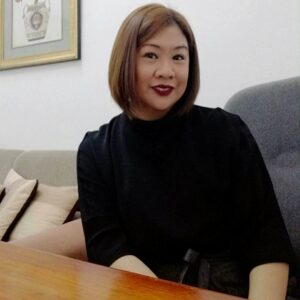 Professor Era answers “From the work that I do, especially women through annulment, identity, and pseudo-selves—I would emphasize that mothers carry an invisible and layered psychological burden:
- The pressure to be everything at once (nurturer, provider, stabilizer)
- The emotional labor of regulating not only their own feelings but their children’s
- The weight of unprocessed grief (e.g., broken relationships, lost identities, unmet expectations)
- The tendency to develop a “pseudo-self”—performing strength while silently struggling
- The internal conflict between self-sacrifice and self-preservation”
What makes this harder is the false narrative so many mothers have internalized and we sadly may have contributed to: that strength means endurance. That a good mother is a selfless mother. That asking for help is a kind of failure.
These narratives are false and hurtful and Professor Era gives sound advise to mothers in taking care of their mental wealth.
Reclaiming Identity, Nourishing the Soul and Redefining the meaning of Strength
- Reclaim your narrative. You are not just a mother—you are a person with a story that deserves to be rewritten, not erased.
- Practice intentional self-awareness- Create spaces (journaling, therapy, quiet reflection) where you can ask: “Who am I beyond my roles?”
- Set boundaries without guilt. Loving your family does not mean abandoning yourself.
- Honor your emotions without rushing healing. Pain is not a weakness—it is data, direction, and sometimes, a doorway.
- Redefine strength. Strength is not silent endurance; it is choosing yourself, even after being taught not to.
We’ve got you, Mom.
While we’re at it, it’s time to help mom. Professor Era has tips we can (and should) practice.
Tips from Professor Era:
- “Stop glorifying maternal sacrifice. Replace “selfless mother” narratives with “whole and supported mother” narratives.
- Create emotionally safe spaces for mothers. Let them speak without being corrected, minimized, or rushed to “move on.”
- Share the mental load, not just the physical tasks: Planning, anticipating, worrying—these are labor too.
- Affirm their identity beyond motherhood. See them as thinkers, professionals, dreamers—not just caregivers.
- Listen with intention, not solutions. Sometimes the most healing response is: “I see you. You don’t have to carry this alone.”
When we say “happy mother’s month” this May- let’s mean it and help make it happen not just this month but everyday.