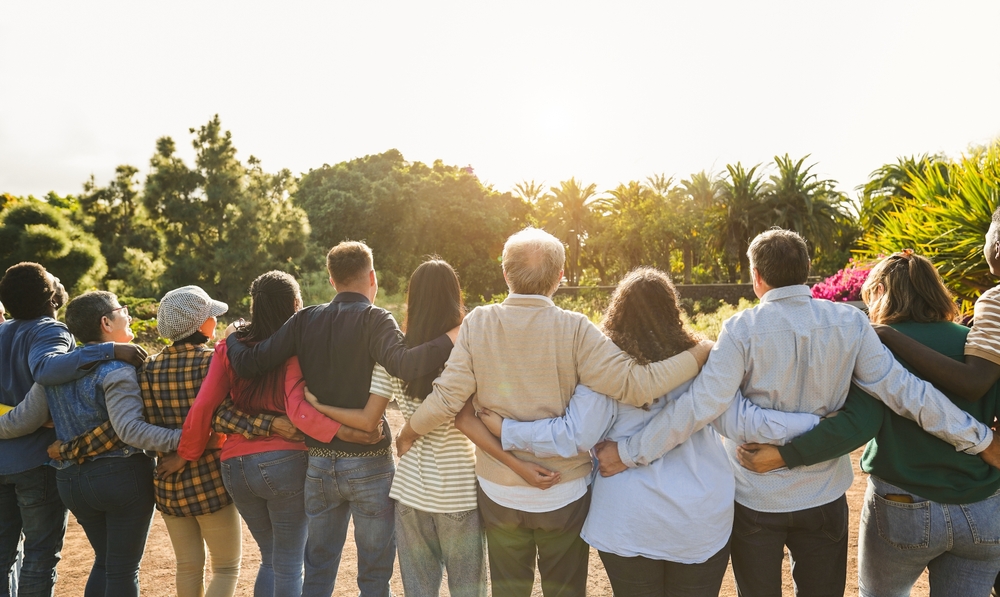
One thing we love about TheOneHourProject is the diversity of our volunteers. We have young people creating graphics for groundups and social impact organisations right along side seasoned marketing directors that are giving their decades of expertise to a struggling foundation. Different life stages, different reasons for being there, same hour given.
We’re a witness to how volunteerism is bridging the age gap. Each generation brings something different but necessary to the table. It might be a teenager that started an organisation to fund education. Or a Millennial mom using her precious free time to help underprivileged children read. Or a multi-awarded consultant helping with a community event.
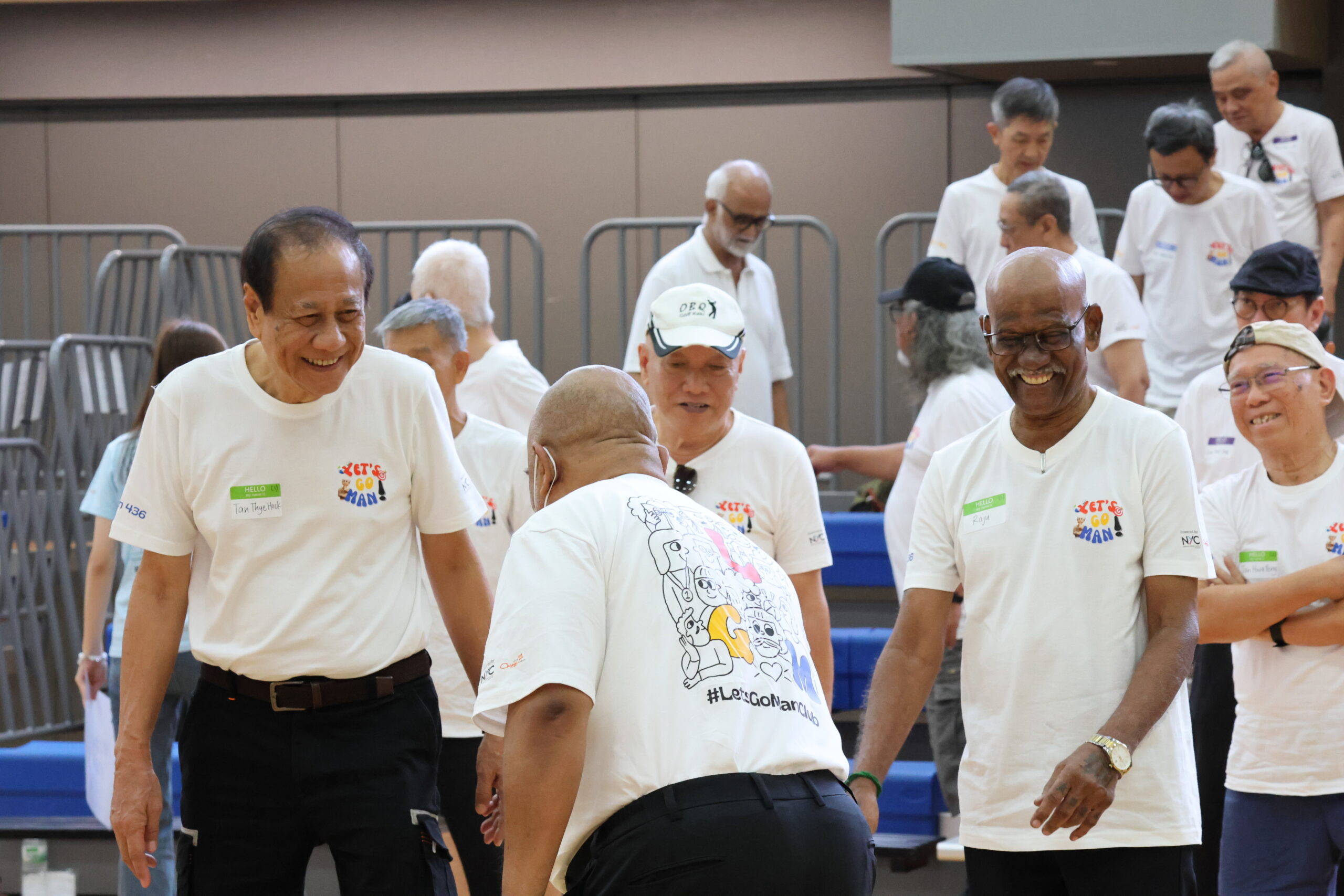
Take Let’s Go Man!, a youth-led initiative founded by Community Development students in Singapore. Walk into most Active Ageing Centres and you’ll notice the aunties crafting, chatting, taking up space — and the uncles, more often than not, sitting somewhere near the edges. A group of students noticed the pattern, asked why, and built an entire organisation around the answer. What makes this interesting isn’t just that young people are helping older residents — it’s that the youth are the architects, and the uncles are the community. More than 80 uncles in, the goal isn’t service delivery. It’s brotherhood, routine, a renewed sense of belonging built by one generation, for another, with another.
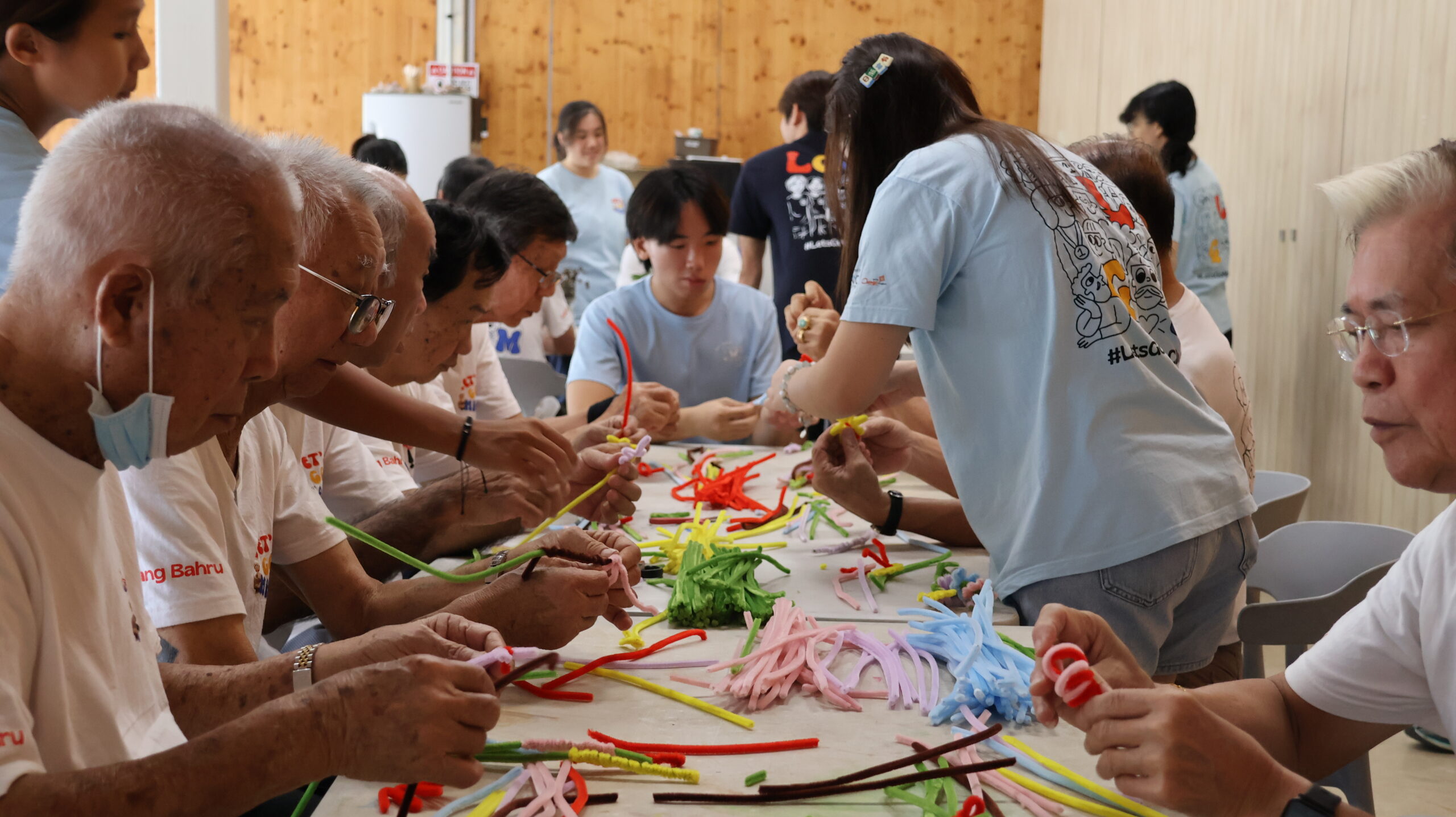
That flips the usual script. It isn’t young volunteers serving older beneficiaries in one direction — it’s two generations doing the same hour of community, wearing entirely different hats.
Widen the lens further and the layering gets even richer. As one of our own contributors, Noelle Hui, put it: volunteerism today runs across four distinct generational layers, each showing up in its own register. The Baby Boomers laid the foundations — the NGOs, the networks, the bayanihan spirit before it had a modern name. Gen X carries it quietly, instinctively, results speaking louder than announcements. Millennials — self-deprecating, exhausted, still here — bind the cracks between older and newer layers, keeping the whole structure from fraying. And Gen Z streams it, scales it, teaches purpose to millions through the very platforms older generations are still learning to navigate.
Four layers. One throughline. None of them replaceable.
This is also a more honest way to talk about sustainability in volunteering — a thread we sat with last issue through Circle of Hope’s work on compassion fatigue. Programs that draw from only one generation tend to hit a ceiling: energy without experience, or experience without renewal. The ones that last are the ones that let generations lean on each other’s different strengths, deliberately or not.
Bridging generations doesn’t require a special initiative. It requires noticing the bridge is often already built — one hour at a time.