Check out Active Ageing Centers across Singapore and you’ll see the aunties crafting, chatting and pottering away. But the elderly uncles are most often left out, sitting somewhere near the edges. It’s a pattern easy to miss unless you’re looking for it. A group of Community Development students noticed, asked why, and built Let’s Go Man! around the answer.
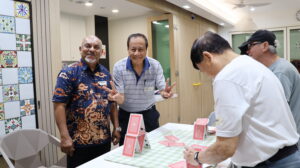
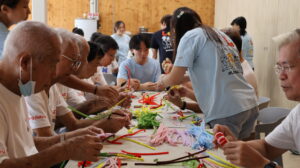
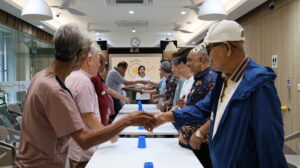
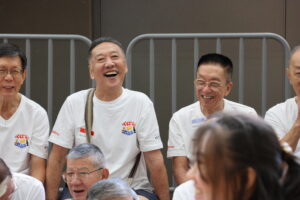
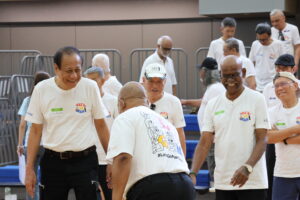
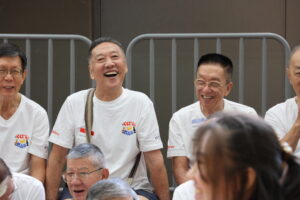
“We wanted to create a space where uncles feel empowered to connect, move and thrive together” , says Let’s Go Man! The youth-led initiative was founded by Community Development Students who went further than simply noting data in fieldwork. They came, they saw and then they built an entire organisation to address an age gap in community inclusivity.
They’re students trained to spot the social gaps that don’t make it into anyone’s official report, and to build something in response. What they built is a series of engagement sessions at Active Ageing Centres across Singapore, designed to give uncles a space where connecting with one another feels natural instead of forced. Along the way, they’ve partnered with the National Youth Council and TOUCH Community Services to test and sharpen programmes that actually land with senior men in the heartlands. More than 120 uncles in, the community is still growing.
The “why” behind it says something bigger about how this generation of volunteers is starting to work. Let’s Go Man! started as a question: why are the men sitting out? This is a question from a generation that knows the power of inclusivity. Of being seen – and they don’t gatekeep it to their generation.. In the team’s own words, they hope to build brotherhood, routine and a renewed sense of belonging.
This is also what “bridging generations” actually looks like in practice. It isn’t always young volunteers serving older beneficiaries in one direction. Here, the youth are the architects — but the uncles are the community. Two generations, doing the same hour of community, wearing entirely different hats.
Ask the team what a good community means, and the answer sounds less like a mission statement and more like something they’ve watched happen in real time: a good community is one where no one feels invisible. Not the biggest room, not the most activities — just depth of connection. Room for different personalities, different life stages, different needs. Consistency and trust, built over time, where people show up for each other because they genuinely care — not because they have to.
Volunteerism and compassion is a thread that runs across generations – and knits us ever closer together.